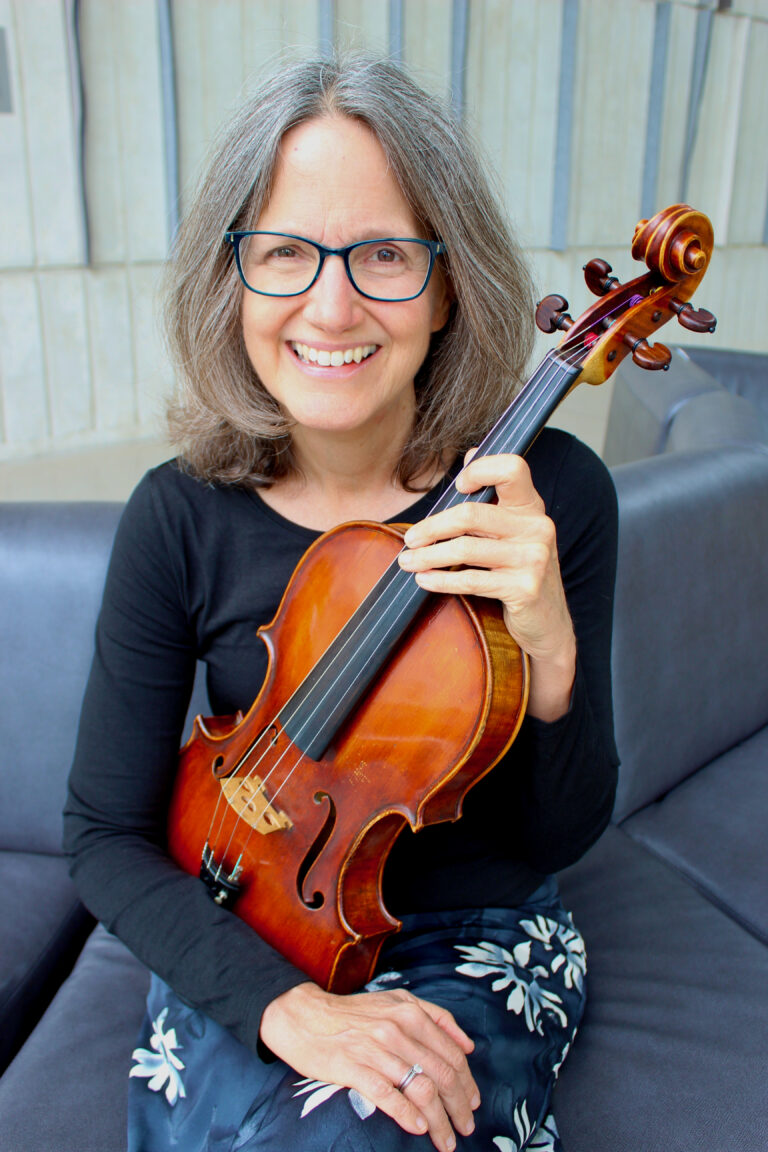
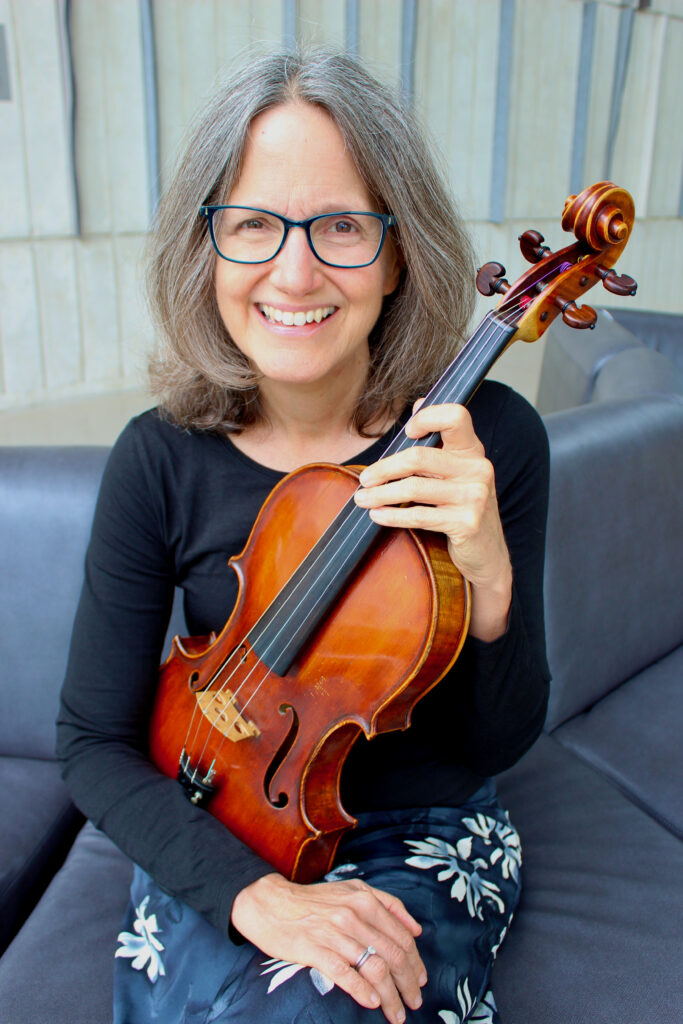
A dedicated teacher, chamber musician and violist, Elizabeth Oakes currently runs the Chamber Music Residency Program at the University of Iowa and serves as the director of the University of Iowa String Quartet Residency Program. For twenty-two years, Ms. Oakes was the violist of the Maia Quartet and as a member of the Quartet, she performed throughout the United States, Asia, Canada, and Europe and concertized in major venues including Alice Tully Hall, Merkin Hall, the 92nd Street Y and Washington DC’s Kennedy Center. Ms. Oakes has taught at numerous summer music festivals including the Interlochen Advanced String Quartet Program, the Great Wall International Music Academy in Beijing, China and the Rocky Mountain Summer Conservatory in Steamboat Springs, Colorado.
Ms. Oakes programming and interdisciplinary interests have led her to coordinate and program many large-scale projects. In 1997, Ms. Oakes co-founded and then subsequently served for nine years as a co-artistic director of the Foothills Music Festival in Winston-Salem, North Carolina. In her current role as the director of the University of Iowa String Quartet Residency Program, Ms. Oakes has created multi-dimensional artist-residencies with artists from across the US and abroad, including the Brentano Quartet, JACK Quartet, the Attacca Quartet, the Parker Quartet, Caroline Shaw, the Elias Quartet, Anne-Marie McDermott, the Dalí Quartet, Soyeon Kate Lee, Jessie Montgomery, the Daedalus Quartet, Anthony McGill, the Ariel Quartet, the Jupiter Quartet, PULBIQuartet, the Pacifica Quartet, the Miró Quartet and the Castalian Quartet. She has been the recipient of numerous grants from major granting organizations, such as Chamber Music America, the Iowa Arts Council, Humanities Iowa, the University of Iowa’s Ida Cordelia Beam Distinguished Professorship Program and the John and Anna Hanes Foundation.
Ms. Oakes has received repeated recognition for her work at the University of Iowa. In 2016, she was awarded the Dean’s Distinguished Lecturer award in the College of Liberal Arts and Sciences and in 2022-23, she was awarded the President & Provost Award for Teaching Excellence. Most recently, she was awarded the Distinguished Professor of Instruction upon her promotion to full professor.
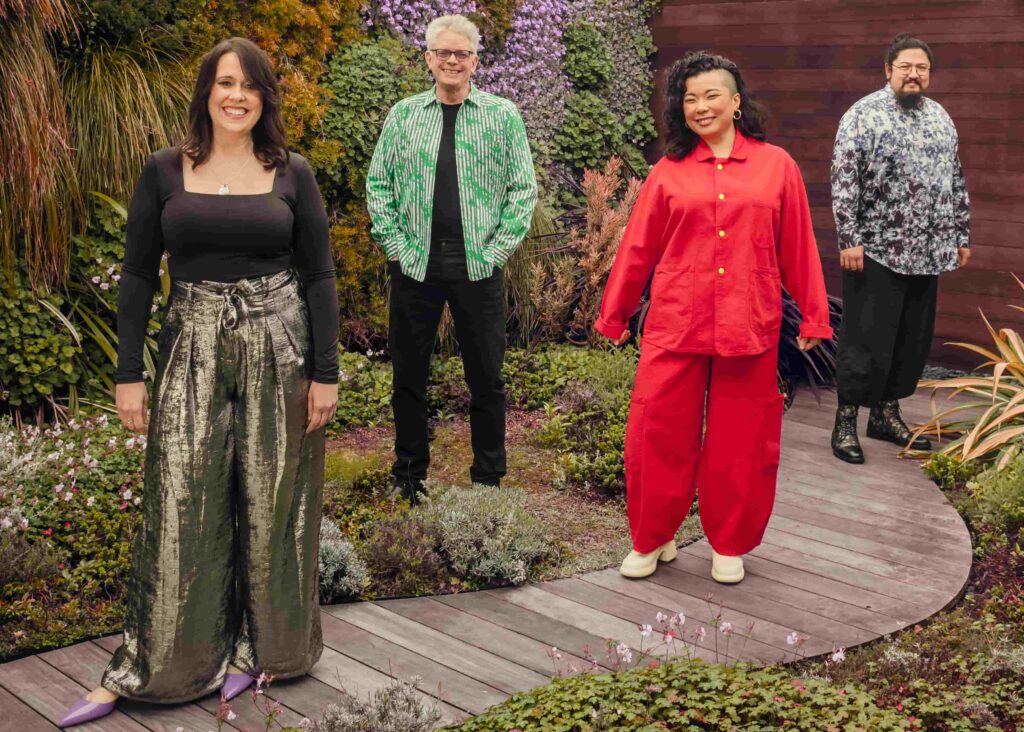
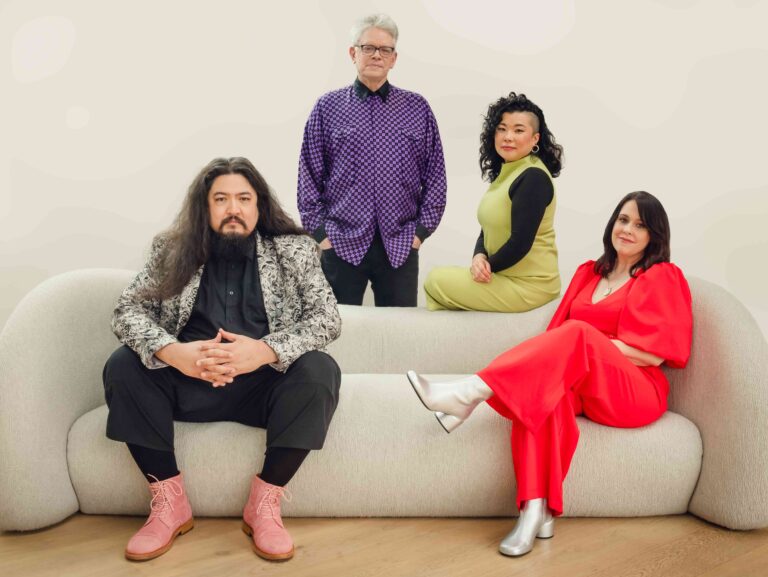
Since 1973, San Francisco’s Kronos Quartet — David Harrington (violin), Gabriela Díaz (violin), Ayane Kozasa (viola), and Paul Wiancko (cello) — has challenged and reimagined what a string quartet can be. Founded at a time when the form was largely centered on long-established, Western European traditions, Kronos has been at the forefront of revolutionizing the string quartet into a living art form. Today, with new voices and renewed vision, Kronos continues to forge the sound of the people and issues of our time.
Kronos stands among the most celebrated and influential ensembles. The group has performed thousands of concerts across six continents, released more than 70 boundary-pushing recordings, and collaborated with a remarkable range of composers and artists. Kronos has commissioned over 1,100 works and arrangements for string quartet — including the recently completed Fifty for the Future, a free online library of 50 new works from leading living composers that serves as a vivid expression of Kronos’ belief in open access and the continual reinvention of the string quartet repertoire.
Kronos’ contributions have been recognized with more than 40 awards, including three Grammy Awards, the Polar Music Prize, the Avery Fisher Prize, and the Edison Klassiek Oeuvre Prize. In 2024, the Library of Congress acquired the Kronos Quartet/Kronos Performing Arts Association Archive, a comprehensive collection of manuscripts, instruments, costumes, video and audio recordings, photographs, and more spanning five decades. Now housed permanently in the Library’s Music Division, the archive stands as a vital testament to Kronos’ impact on contemporary music and cultural history. That same year, their 1992 album Pieces of Africa was named one of twenty-five recordings to be inducted into the National Recording Registry, recognizing its enduring cultural and historical significance.
Kronos’ adventurous approach traces back to its origins. David Harrington formed the group after hearing George Crumb’s Black Angels, a groundbreaking work inspired by the Vietnam War and featuring bowed water glasses, spoken-word passages, and electronic effects. That singular moment ignited a lifelong mission: to expand the language of the string quartet and confront the world’s complexities through music.
From the outset, Kronos began building a bold and eclectic repertoire — performing and recording works by 20th-century masters like Sofia Gubaidulina, Astor Piazzolla, Alfred Schnittke, and Henryk Górecki; contemporary voices from around the globe such as Sahba Aminikia, Nicole Lizée, Vladimir Martynov, and Aleksandra Vrebalov; jazz legends including Charles Mingus, Thelonious Monk, Maria Schneider, and Sun Ra; rock icons like Jimi Hendrix, Sigur Rós, Pete Townshend, and Café Tacuba; and genre-defying artists such as Laurie Anderson, Trevor Paglen, and Tanya Tagaq.
At the heart of Kronos’ artistic identity is a spirit of fearless collaboration, reflected in long-running creative relationships with many of the world’s foremost composers, and resulting in a vast and ever-expanding body of commissioned work for string quartet. Among its most prolific partnerships is that with Terry Riley, whose works for Kronos include Sunrise of the Planetary Dream Collector (1980), Salome Dances for Peace (1985–86), and Sun Rings (2002). In 2025, the ensemble traveled to Japan to celebrate Riley’s 90th birthday and perform with him in concert — a testament to the depth and longevity of their connection. Another decades-long collaborator is Aleksandra Vrebalov, who has written more than 20 pieces for the ensemble, including Pannonia Boundless (1998); …hold me, neighbor, in this storm… (2007); and Beyond Zero (2014), a multimedia meditation on World War I created in collaboration with filmmaker Bill Morrison.
Kronos has also collaborated extensively with Philip Glass — recording an album of his string quartets in 1995 and premiering String Quartet No. 6 (2013) and No. 7 (2014); with Franghiz Ali-Zadeh, whose music is featured on their 2005 release Mugam Sayagi; and with Steve Reich, whose string quartets Different Trains (1989), Triple Quartet (2001), and WTC 9/11 (2011) were written for and recorded by the ensemble.
Kronos’ most ambitious commissioning initiative to date, Fifty for the Future, stands as a cornerstone of the ensemble’s legacy. Developed by the Kronos Performing Arts Association, the project commissioned 50 new works for string quartet — written by composers from around the world and designed specifically to train students and emerging professionals in the techniques of 21st-century repertoire. All scores, parts, recordings, and supplementary learning materials are available free of charge at 50ftf.kronosquartet.org. Although the library is now complete, its global impact continues to grow: tens of thousands of scores have been downloaded in more than 100 countries and territories worldwide. Supported by lead partner Carnegie Hall and a wide-ranging network of presenters, academic institutions, foundations, and individual donors, Fifty for the Future exemplifies Kronos’ enduring commitment to access, education, and the future of the string quartet.
Few ensembles have forged a more global or genre-defying path, with collaborations that span cultures, styles, and generations. Key musical partners include Chinese pipa virtuoso Wu Man (a collaborator since the early 1990s), Indian tabla master Zakir Hussain, Azeri vocalist Alim Qasimov, Bollywood legend Asha Bhosle, Iranian singer Mahsa Vahdat, Romanian ensemble Taraf de Haïdouks, and Mali’s Trio Da Kali. Their genre-defying range also includes punk icon Patti Smith, alternative rock band The National, Nine Inch Nails, and trailblazers like Laurie Anderson and Tanya Tagaq. Kronos has performed with cultural icons such as Paul McCartney, David Bowie, Allen Ginsberg, and Rokia Traoré; made a memorable appearance on Sesame Street; and shared the stage with Tom Waits, Rhiannon Giddens, Howard Zinn, Betty Carter, Van Dyke Parks, Caetano Veloso, and k.d. lang. The group has also contributed to recordings with Dan Zanes, Glenn Kotche, Dave Matthews Band, Joan Armatrading, Angélique Kidjo, and the San Francisco Girls Chorus. Their work has also inspired renowned choreographers — Merce Cunningham, Paul Taylor, Twyla Tharp, Alonzo King, and Eiko & Koma — to create work set to Kronos’ music. The ensemble’s performances and recordings explore themes of war, trauma, environmental collapse, social justice, and spirituality, making their work emotionally powerful and socially relevant.
The Kronos discography on Nonesuch Records is both extensive and acclaimed, with three Grammy Award-winning albums: Sun Rings by Terry Riley (2019), Landfall with Laurie Anderson (2018), and Alban Berg’s Lyric Suite with soprano Dawn Upshaw (2003). Their recording projects have also included One Earth, One People, One Love: Kronos Plays Terry Riley (2015), The Kronos Explorer Series (2014), and Nuevo (2002), a vibrant tribute to Mexican music that earned Grammy and Latin Grammy Award-nominations. Pieces of Africa (1992), which brought African-born composers into the classical spotlight, was inducted into the National Recording Registry in 2024, and is among Kronos’ most widely recognized recordings. Recent albums include Songs and Symphoniques: The Music of Moondog (2023); Mỹ Lai (2022), an opera with Vietnamese multi-instrumentalist Vân-Ánh Vanessa Võ and vocalist Rinde Eckert; and Long Time Passing (2020), a tribute to Pete Seeger featuring Sam Amidon, Maria Arnal, Brian Carpenter, Lee Knight, Meklit, and Aoife O’Donovan. Boosey & Hawkes has published two volumes of Kronos Collection scores by Terry Riley, Hamza el Din, Aleksandra Vrebalov, and Osvaldo Golijov — extending the ensemble’s reach to future generations.
With its roots in the Vietnam War era, Kronos has spent five decades centering its work around the key issues of our time. Underscoring the idea that music should be in constant evolving interaction with the world, Kronos has commissioned, performed, and recorded works that engage with topics such as war and destruction (Jonathan Berger and Harriet Scott Chessman’s Mỹ Lai; Mary Kouyoumdjian’s Bombs of Beirut and Silent Cranes; Mariana Sadovska’s Chernobyl. The Harvest; Aleksandra Vrebalov’s Beyond Zero), the climate crisis (Laurie Anderson’s Landfall); social injustice (Bob Ostertag’s All the Rage; Zachary James Watkins’ Peace Be Till; Michael Abels and Nikky Finney’s At War With Ourselves); and existence and spirituality (Terry Riley’s Sun Rings; Tan Dun’s Ghost Opera).
Kronos spends several months of each year on tour, appearing in concert halls, clubs, and festivals around the world, including Carnegie Hall, BRIC Celebrate Brooklyn!, and BAM Next Wave Festival in New York; Royce Hall at UCLA; Big Ears in Knoxville, Tennessee; Palacio de Bellas Artes in Mexico City; the Barbican in London; the Philharmonie de Paris; the Muziekgebouw in Amsterdam; Haydn Hall at Schloss Esterhazy, Austria; The Arts Center at New York University Abu Dhabi; Shanghai Concert Hall; Suntory Hall in Tokyo; and the Sydney Opera House.
Kronos’ work has featured prominently in a number of films, including A Thousand Thoughts, a unique multimedia piece that blends live music by Kronos and narration by Sam Green with archival footage and filmed interviews to create a “live documentary” that tells the story of Kronos’ expansive career. Written and directed by Green and Joe Bini, the work premiered at the Sundance Film Festival in 2018 and has since toured around the world. Most recently, the Quartet performed on the soundtrack for Users (2021) and is both seen and heard in the documentary Zappa (2020). Kronos’ music has been featured in two Academy Award–nominated documentaries: Dirty Wars (2013) — for which Kronos’ David Harrington served as Music Supervisor — and How to Survive a Plague (2012). Kronos has also recorded complete film scores by Jacob Garchik for Guy Maddin’s The Green Fog (2017); Clint Mansell for Darren Aronofsky’s The Fountain (2006) and Requiem for a Dream (2000); and Philip Glass for Dracula (1999) — a restored edition of the 1931 Bela Lugosi classic.
The Quartet is committed to mentoring emerging performers and composers and has led workshops, master classes, and other education programs with Carnegie Hall’s Weill Music Institute, Kaufman Music Center’s Face the Music, Luna Composition Lab, Ruth Asawa San Francisco School of the Arts, San Francisco Conservatory of Music, Meadowmount School of Music, Banff Centre for Arts and Creativity’s Next Festival for Emerging Artists, the Royal Conservatory of Music (Toronto), and the Tokyo University for the Arts, among other institutions in the U.S. and abroad. Kronos has undertaken extended educational residencies at institutions such as Oakland School for the Arts, UC Berkeley’s Cal Performances, Holland Festival, The John J. Cali School of Music at Montclair State University, and New York University Abu Dhabi.
Based in San Francisco, the nonprofit KPAA staff manages all aspects of Kronos’ work, including commissioning, concert tours and local performances, recordings, education programs, and an annual self-produced Kronos Festival in San Francisco.
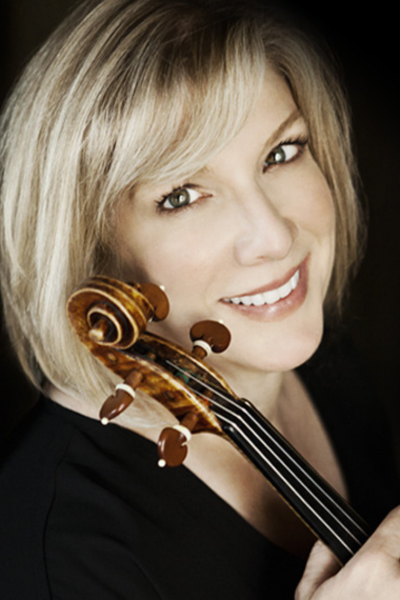
Lauded for her “gleaming artistry, bravura and sensitivity” (Cleveland Plain Dealer), violinist, Annie Fullard joyfully celebrates a life devoted to chamber music playing and is grateful for the deep collaborative bonds developed throughout her multi- faceted career. A leader in the field of chamber music performance, advocacy and education, Annie views the empathy and connectivity of chamber music as a metaphor for the kind of communication that we should strive for between cultures and nations.
Ms. Fullard is honored to embark on her new position as Director of Chamber Music, Professor and Sidney M. Friedberg Chair at The Peabody Institute, Johns Hopkins University and also currently serves as Distinguished Artist and Charles and Mary Jean Yates Chair in Chamber Music at The Robert Mc Duffie Center for Strings, Mercer University. On the horizon is a much anticipated book The Art of Collaboration: Chamber Music Rehearsal Techniques & Teambuilding co-authored with Dorianne Cotter-Lockard, PhD to be published in 2024 by Oxford University Press.
Fullard’s musical journey has included the opportunity to perform and teach extensively through the fifty states and abroad including appearances at The Perlman Music Program, New World Symphony, Norfolk Chamber Music Festival, Aspen Music Festival, Interlochen Center for the Arts, Chautauqua, Festival, Kneisel Hall, Violins of Hope, Juilliard Summer Arts Program in Shanghai, Beaujolais (France) Stage 2019-present, and a Mozart Anniversary Tour of Austria and the Czech Republic.
A founding member of the Cavani String Quartet, she and her colleagues are recipients of The Naumburg Chamber Music Award, The Cleveland Quartet Award (Eastman) and prize winning laureates of the Banff International, Fischoff, Coleman, and Carmel Chamber Music competitions. Described by the Washington Post as “completely engrossing, powerful and elegant” the Cavani Quartet’s artistic excellence, generous spirit, and their fervent ambassadorship for great music has placed them among America’s greatest string quartets. Quartet accolades include The Guarneri String Quartet Award for Artistic Excellence from Chamber Music America, Ohio Governors Award for The Arts, ASCAP Award for Adventurous Programming, and Musical America Magazine’s Young Artists of the Year.
She and her colleagues have been featured on NPR’s Performance Today and “Says You” and the short documentary film TOGETHER! Beyond Beethoven with The Cavani Quartet (https://youtu.be/BNesD1FBgAM) Annie has served as a juror for the Washington International Competition, as well as the Fischoff, St. Paul String Quartet, and Chicago Young Artist Chamber Music Competitions.
During the 2022-2024 school year Annie served as Visiting Artist and Coordinator of String Chamber Music at The University of Michigan and previously served for thirty years as faculty and member of Quartet- in- Residence at The Cleveland Institute of Music where she and her Cavani colleagues directed, in collaboration with Peter Salaff, one of the country’s most well known and respected programs devoted to the serious study of chamber music. Program initiatives included the Apprentice Quartet Program, Intensive Quartet Seminar, New Quartet Project, The Art of Engagement, M.A.P. (Music, Art & Poetry) Program, and Chamberfest Workshop for adult amateur musicians. Ms. Fullard and her Cavani colleagues are delighted to have coached and mentored former and current members (former and present) of the many of the country’s most acclaimed ensembles, including the Aeolus, Afiara, Attaca, Azuri, Biava, Catalyst, Daedalus, Dali, Ehnes, Fry Street, Harlem, Isidore, Ivalas, Jupiter, Linden, Maia, Miro, Omer, Telegraph,Thalea, and Verona String Quartets, as well as members of the New York Philharmonic, The Cleveland Orchestra, Saint Paul Chamber Orchestra, The Chicago Symphony, Minnesota Orchestra, ECCO, A Far Cry, The Metropolitan Opera Orchestra, KINETIC and DeCoda.
Recognizing the natural ability of chamber music playing to inspire cognitive and emotional development in children through empathy and interaction, Annie has curated chamber music residencies in communities and neighborhoods around the country and founded Friday Night Chamber Music for pre-college age music students. At the collegiate level, Ms Fullard and her Cavani colleagues have presented The Art of Collaboration Seminar: Coaching Strategies and Techniques-Building Empowered and Collaborative Teams by Applying Principles of Chamber Music Pedagogy at universities, conservatories and business schools around the country including the renowned Weatherhead School of Management at Case Western Reserve University. Ms. Fullard and her colleagues are former Artists-in-Residence at Cleveland State University, University of California, Riverside, University of Texas, Austin and Northern Illinois University.
Ms Fullard has the honor of collaborating with some of today’s most distinguished and innovative artists including Alisa Weilerstein, Kim Kashkashian, Tessa Lark, Jaime Laredo, Sharon Robinson, Josh Henderson, Itzhak Perlman, Stephanie Blythe, Sergei Babayan, and poet and Director of Pan African Studies at Kent State University, Mwatabu Okantah, as well as members of the Cleveland, Juilliard, Takàcs, Ying, Emerson, Borodin, Ehnes, Amadeus, and St. Lawrence String Quartets. A graduate of the Eastman School of Music, she pursued additional studies at Yale University, and Indiana University, Annie counts among her musical mentors, Josef Gingold, Donald Weilerstein, Dr. Ronald Crutcher, Peter Salaff, as well as members of the Juilliard, Tokyo and Cleveland String Quartets. She plays an 1846 Vuillaume violin copied from Paganini’s Guarneri del Gesu “Il Canone” and is an avid listener to Ella Fitzgerald and Beethoven. cavanistringquartet.com
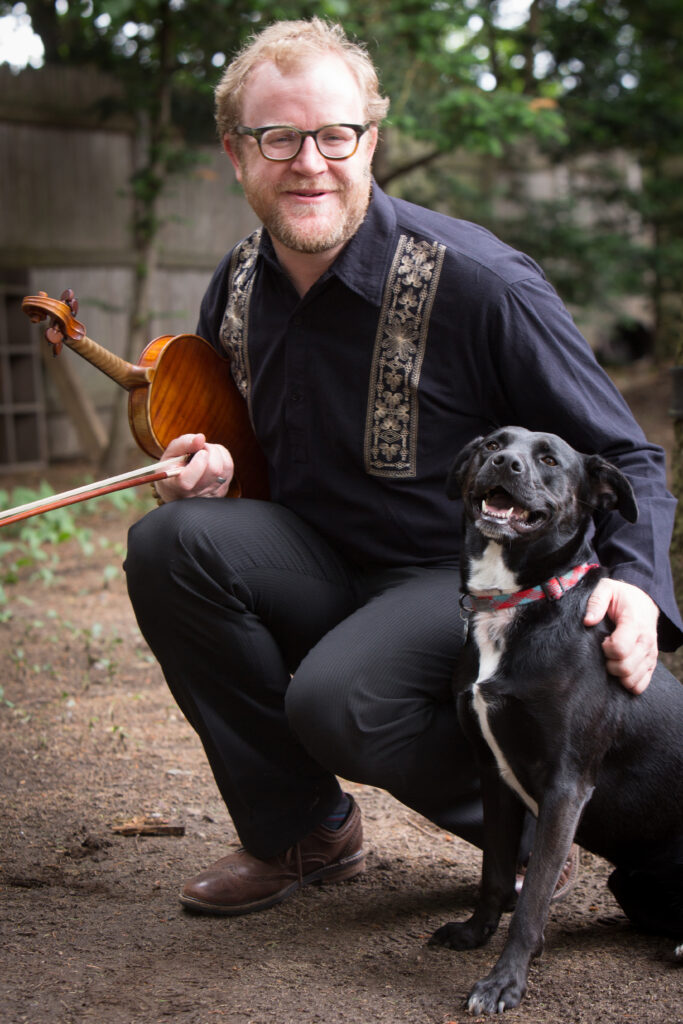
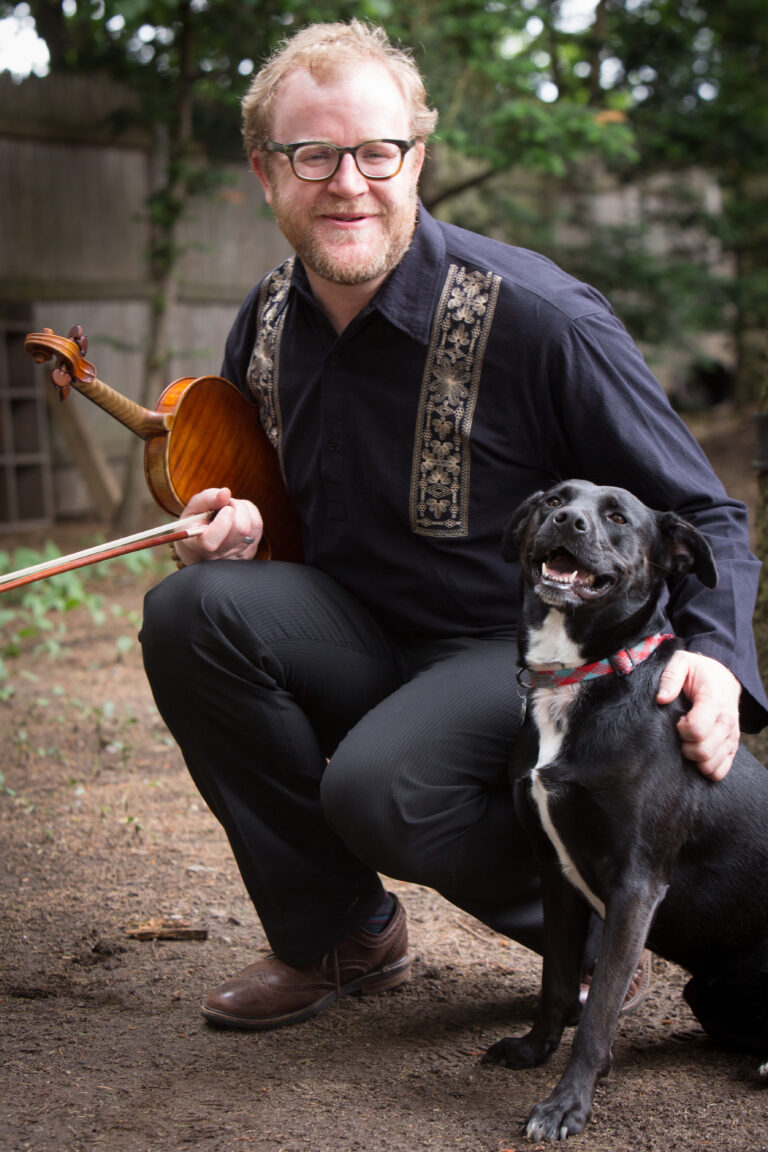
Jesse Holstein graduated from Oberlin where he studied with Marilyn McDonald and then received his Master’s with James Buswell at the New England Conservatory. Prior to Oberlin, he studied violin with Philipp Naegele in Northampton, Massachusetts. Jesse would be remiss if he did not send a huge thank you to his wonderful Suzuki teacher Diana Peelle who started him at age 5 and was extremely patient with his slouching posture for years.
An active recitalist, orchestral and chamber musician, Jesse is currently concertmaster of the New Bedford Symphony. In recent summers, he has performed at the Bravo! Festival in Vail Colorado, the Montana Chamber Music Festival in Bozeman, the Bay Chamber Concerts in Rockport, Maine, the Apple Hill Festival in Sullivan, New Hampshire, the South Coast Chamber Music Series, among others.
While an undergraduate, Jesse taught for the Oberlin Preparatory Program in the Lorain, Ohio public schools. Also at Oberlin, he served as Assistant Concertmaster and later as Music Director of the Royal Farfissa Disco Juggernaut, the premier disco orchestra in the greater-Cleveland area in the mid-1990s.
Currently, Jesse is a teacher and resident musician for Community MusicWorks and was a founding member of the Providence String Quartet. Jesse performed with the Muir, Borromeo, Miro, Apple Hill, Orion, Turtle Island, and St. Lawrence Quartets, as well as pianists Jonathan Biss and Emanuel Ax, cellist Matt Haimovitz; Cleveland Orchestra Principal Oboe, Frank Rosenwein, and violist Kim Kashkashian, among many others. Jesse also has attended the Violin Craftsmanship Institute in Durham, New Hampshire, where he learned about instrument repair. He manages all of the instruments at Community MusicWorks and the program’s 150 students.
Jesse has been a Violin Professeur at L’Ecole de Musique, Dessaix Baptiste in Jacmel, Haiti and is currently on the faculty at Brown University. Some of his life forces are mindfulness, running, animals, and visiting Donegal, Ireland with his wife, violinist Ealaín McMullin.
He has a cat, Lord Nelson who is an ordained on-line minister (this is true) and is available for weddings and services (this is probably not true).
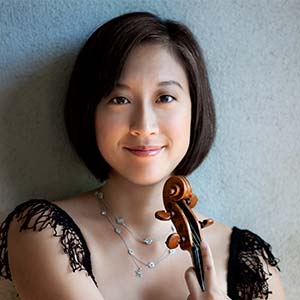
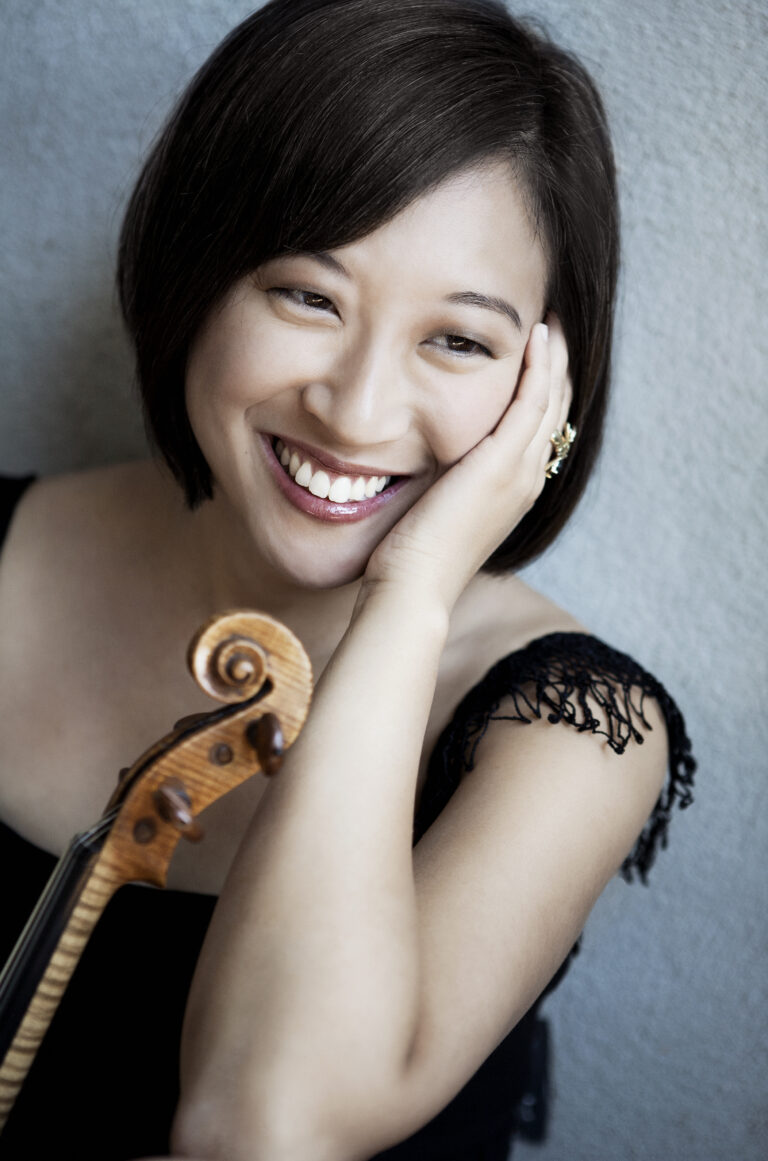
A violinist of great range and energy, Salley Koo has performed internationally as a solo, chamber, and orchestral musician. Recent performances include appearances at the Musikverein in Vienna, Carnegie Hall, Town Hall, Central Park, Music from Salem, the Kimmel Center in Philadelphia, the National Cathedral and National Gallery in Washington D.C., Columbia Museum of Art, the Harris Theater in Chicago, the Nasher Series in Dallas, the Peoples Symphony Concerts, the Ojai, Tanglewood, Ravinia, Skaneateles, and Caramoor Festivals, and on tour alongside artists ranging from Bela Fleck to Dawn Upshaw to Gil Shaham. Salley soloed with the Lebanese Philharmonic Orchestra and recently returned a third time to Lebanon as artist in residence with the IMAGINE Workshop and Concert Series at the Lebanese American University in Beirut, Lebanon. She is regularly invited as a guest artist with groups such as the Minnesota Orchestra, Orchestra of St. Luke’s, East Coast Chamber Orchestra, Saint Paul Chamber Orchestra, the International Contemporary Ensemble, and the Knights.
Dr. Koo’s engagement with the chamber music community in particular has yielded collaborations with world-renowned musicians including Peter Frankl, Yo Yo Ma, and Colin Carr, as well as with members of the Orpheus Chamber Orchestra, Peabody Trio, Emerson Quartet, and Takacs Quartet. Her expansive musical interests range from early music to contemporary compositions. In the former vein, she has performed in period groups and recorded for Centaur; in the latter, she has worked closely with composers like Julia Wolf, Mario Davidovsky, Steven Mackey, Osvoldo Golijov, as well as members of the So Percussion Quartet. Salley is also a familiar face at numerous festivals including the Chamber Music Silicon Valley, Yellow Barn Music Festival, Taos School of Music, the Tanglewood Music Center, Pacific Music Festival, and Thy Chamber Festival in Denmark.
Despite a performance itinerary that has covered North America, Europe, the Middle East, and East Asia, Dr. Koo has established a thriving teaching career. She is currently the violin professor at both Adelphi University in NY and Montclair State University in NJ, and is also a visiting lecturer at the University of Illinois at Champaign-Urbana this year. Previously, Dr. Koo has served as the violin professor and coordinator of chamber music at the University of Connecticut, in Storrs, CT; other faculty appointments include the Green Lake Chamber Music Festival in WI, Apple Hill Center for Chamber Music in New Hampshire, Dwight-Englewood String Society in New Jersey, Vermont’s Young Artist Program at Yellow Barn, the Opus 118 We Want Music! program in East Harlem, New York, Elm City ChamberFest, and the Neighborhood Music School in New Haven, Connecticut. Salley also maintains a limited private studio in New York City.
Hailing from Chicago, where she studied with Almita and Roland Vamos at the Music Center of the North Shore (now Music Institute of Chicago), Salley then earned her undergraduate degree from Harvard University in English and American Literature, continuing her violin studies with Lynn Chang. She subsequently received a Master of Music and pursued Artist Diploma work from the Yale School of Music under the tutelage of Peter Oundjian. She completed her Doctor of Musical Arts in violin performance at Stony Brook University under Pamela Frank and Philip Setzer. Over the course of her extensive training, Dr. Koo has studied with numerous other luminaries, including David Taylor, Sylvie Koval, and Dorothy Kitchen.
Salley currently performs on a violin made for her by Mario Miralles. When she’s not playing the violin, she’s likely to be found cooking or planning where to eat next with her husband, Alex, or playing with their dogs in Brooklyn’s Prospect Park.

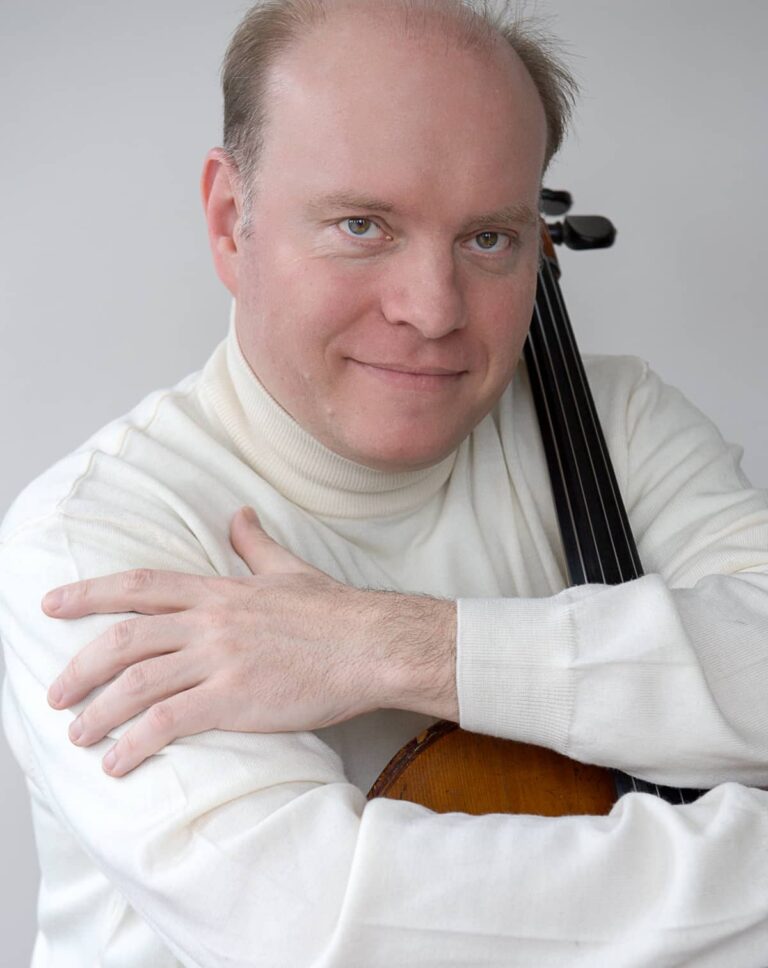
Cellist Michael Mermagen, a graduate of the Juilliard School (M.M.) and of the Peabody Conservatory of Music (B.M.), is currently the Professor of Cello at UMKC Conservatory of Music. He was formerly Associate Professor of Cello and Chamber Music at the Benjamin T. Rome School of Music at The Catholic University of America.
Michael made his debut at the age of sixteen with Baltimore Symphony Orchestra after receiving its Young Soloist’s Award. Principal teachers in college were Stephen Kates at Peabody Conservatory, and Zara Nelsova at The Juilliard School. As The Juilliard School’s concerto competition winner, he performed with Juilliard Orchestra under Otto-Werner Mueller in Alice Tully Hall. He was soloist with National Orchestra of New York, where he held the prestigious Emanuel Feuermann principal cello chair and performed in Violoncello Society of New York Master Classes lead by Yo-Yo Ma, Janos Starker, and Bernard Greenhouse.
An avid chamber musician, Michael currently performs around the country with the Aspen String Trio, formerly the ensemble in residence at the University of Baltimore. He has formerly been a member of the Aspen Ensemble, the American Chamber Players, and the Arista Piano Trio (named Chamber Music America’s Artists to Watch).
As an artist-faculty member at the Aspen Music Festival and School, Michael has held the prestigious position of principal cellist of the Aspen Chamber Symphony for over twenty-five seasons. He has performed chamber music in Aspen with such artists as Joshua Bell, Sarah Chang, Jeremy Denk, Vladimer Feltzman, Lynn Harrell, Robert McDuffie, Susanne Mentzer, Anton Nel, Nadja Salerno- Sonnenberg, Gil Shaham, The Takács Quartet, and the Weilerstein family.
In addition to his work as principal cellist of the Aspen Chamber Orchestra which continues since 1988, he frequently has performed as a substitute cellist in the New York Philharmonic, Buffalo Philharmonic, New York City Ballet, Orchestra of Saint Lukes, 92nd Street Y Orchestra, Philharmonia Virtuosi of New York, American Symphony Orchestra, Brooklyn Philharmonic, and Long Island Philharmonic.
In 2019, Mermagen released the first commercial recording of James Simon’s Arioso (1929) on CD Baby followed by a performance edition interpreted from the urtext which can be found on IMSLP. Michael also recorded and performed the Patrick Zimmerli Piano Trios for Arabesque label, after a celebrated debut of the same pieces at Seattle Chamber Music Society.
Michael performs on a rare and ornamented Nicolo Gagliano cello, Naples, 1774.
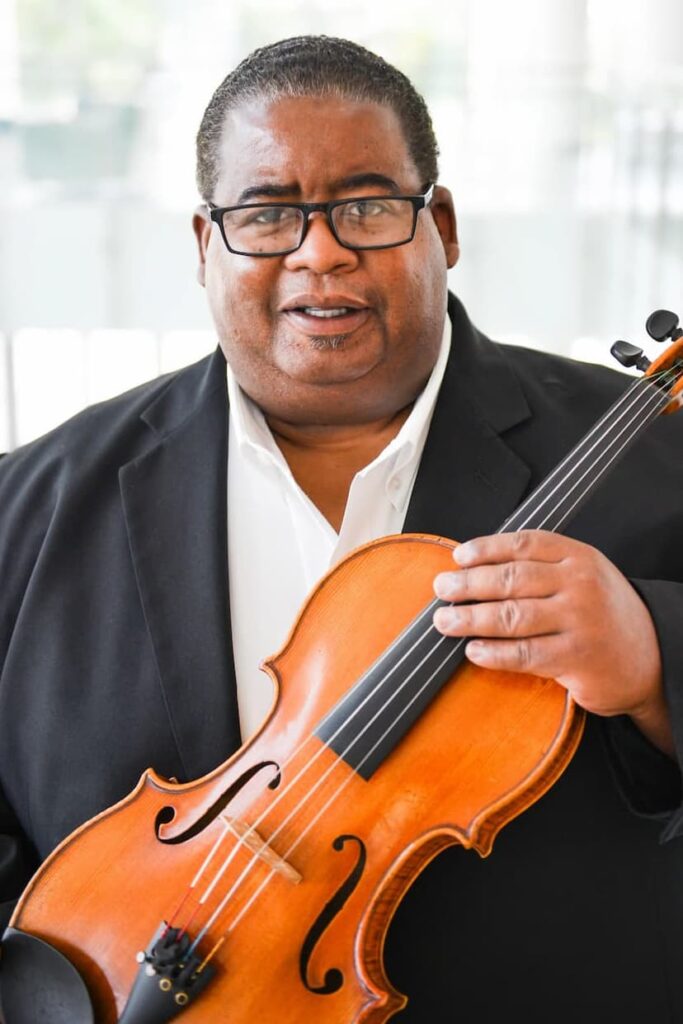
Chauncey Patterson is principal violist for Palm Beach Symphony, solo violist for Florida Grand Opera, violist for the Bergonzi String Quartet at the University of Miami, and member of the Nu Deco Ensemble. He has been principal violist of the Denver and Buffalo Symphonies and, for 15 years, was the violist with the Miami String Quartet, an internationally renowned and extensively recorded ensemble.
Patterson started playing the viola at age seven in the public school system of Burlington, North Carolina. He attended the University of North Carolina at Chapel Hill, the Cleveland Institute of Music, and the Curtis Institute, where he studied with Ann Woodward, Robert Vernon, Karen Tuttle, and Michael Tree respectively. He began his professional career at age 23 as assistant principal viola of the Denver Symphony. He was eventually appointed principal viola by Music Director Philippe Entremont. His next post was principal viola of the Buffalo Philharmonic under the direction of Semyon Bychkov. During his stay in Buffalo, Patterson accepted the viola position in the award-winning Miami String Quartet. During his 15-year tenure, the MSQ garnered awards in the quartet competitions of London and Evian and became the first string quartet to win the Concert Artist Guild New York Competition. The quartet recorded a number of CD’s, most notably, The Ginastera Quartets, The Quartets of Pēteris Vasks, and The Saint-Saens and Faure String Quartets for the BMG Conifer label. The MSQ toured the U.S. extensively, playing at virtually every high-profile venue, including Lincoln Center, the Kennedy Center, Carnegie Hall, and the Hollywood Bowl. International performances (both with and without the MSQ) have taken Patterson to Mexico, Canada, Puerto Rico, Barbados, Panama, Brazil, Hong Kong, Taiwan, Turkey, Spain, Italy, Germany, France, Switzerland, England, and the Netherlands.
Mr. Patterson has shared the chamber music stage with such distinguished artists as: Gil Shaham, Garrick Ohlsson, Cho-Liang Lin, Robert Chen, Jaime Laredo, Sharon Robinson, Paul Neubauer, Aaron Rosand, Menahem Pressler, Peter Wiley, Andre-Michel Schub, Bill Preucil, Ida Kavafian, Lynn Harrell, Arto Noras, Mark Johnson, Eugene Druckman, and Robert Vernon. Following his tenure with the MSQ, Patterson served as interim violist of the world-renowned Fine Arts Quartet. Education has been a major component of Patterson’s career.
His faculty affiliations include: The Cleveland Institute of Music, Blossom School of Music, Kent State University, Hartt School of Music, Encore School for Strings, Eastern Music Festival, University of Charleston (W.V.), University of Denver, New World School of the Arts, Florida International University, the University of Wisconsin at Milwaukee, and the Frost School of Music at the University of Miami. Patterson currently lives in Miami, Florida.
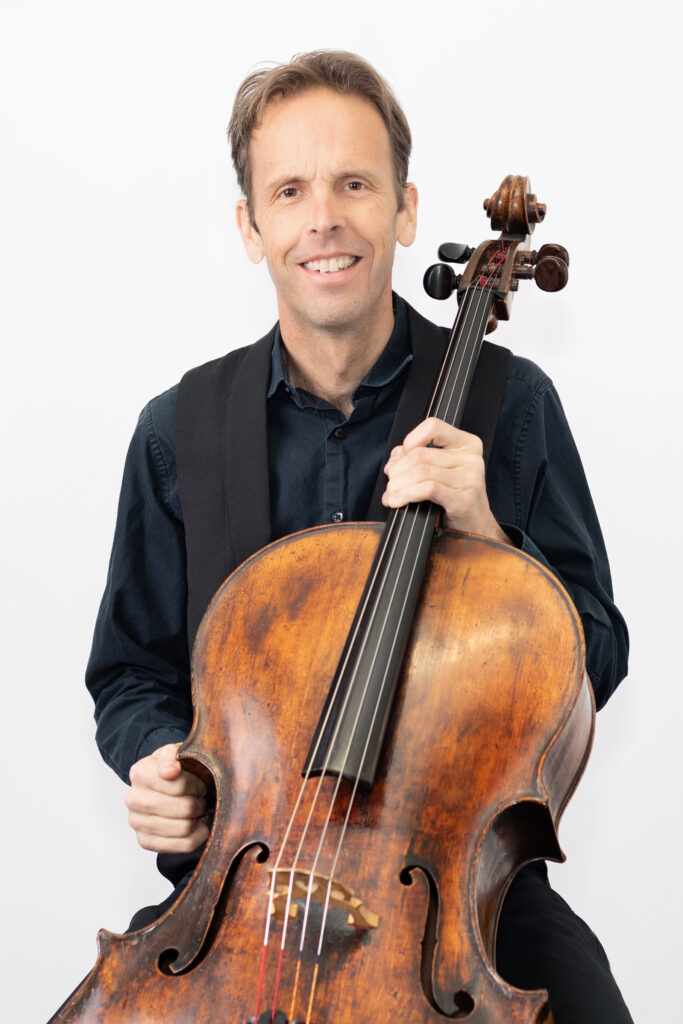
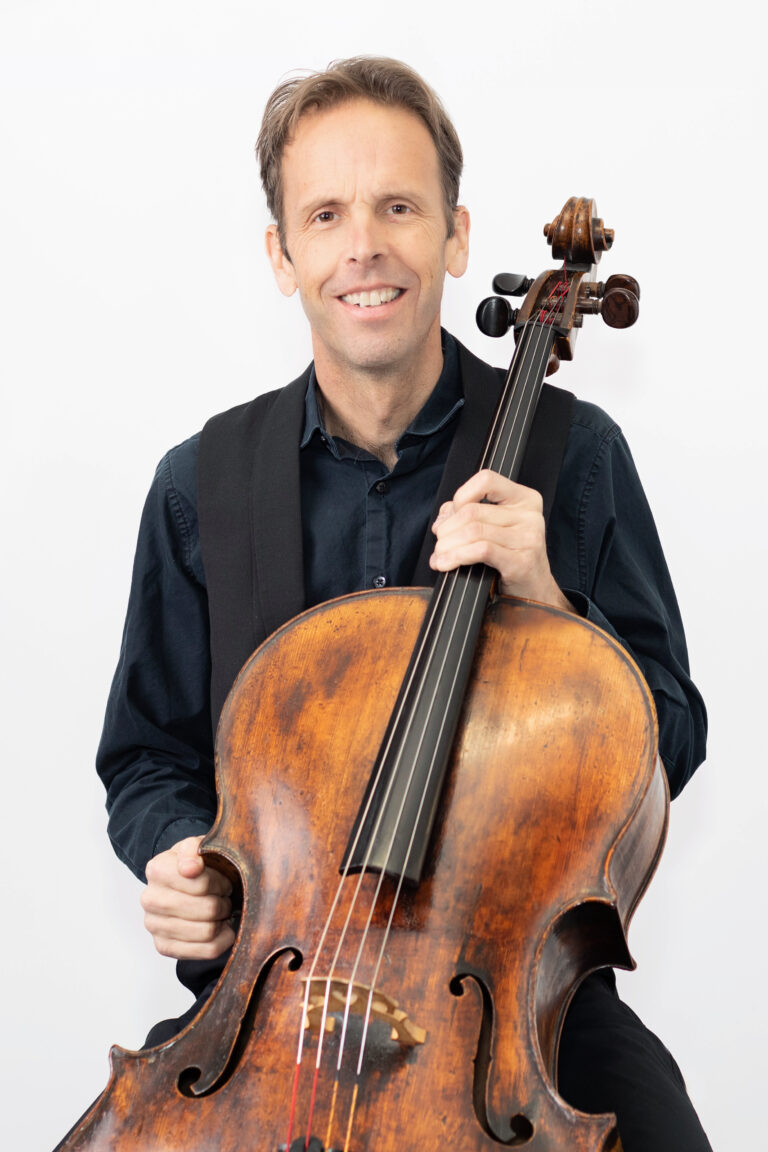
Praised for his versatility, Gregory Sauer performs in many different musical arenas. He has appeared in recital at the Old First Concert Series in San Francisco, the Crocker Art Museum in Sacramento, the Brightmusic Concert Series in Oklahoma City, at universities and schools of music such as the Blair School of Music at Vanderbilt, the Shepherd School at Rice University, the University of Iowa and the University of Tennessee, among many others. Mr. Sauer was a prizewinner in the Hudson Valley Philharmonic and Ima Hogg National competitions and has performed concertos with the Hudson Valley Philharmonic, the Houston Symphony, the New American Chamber Orchestra, the Quad City Symphony, Oklahoma City Philharmonic, the Columbus (GA) Symphony, the Tallahassee Symphony, and the Missoula Symphony, among others.
Greg served as cellist in the Carpe Diem String Quartet in 2019-2020, playing concerts in Carnegie’s Weill Recital Hall, Siena, Italy, and in the group’s first China tour. Along with his brother, Thomas Sauer, he serves as co-Artistic Director of Chamber Music Quad Cities in their hometown of Davenport, Iowa. Other chamber music ventures have resulted in appearances at the Austin Chamber Music Center, the Snake River Music Festival, the Victoria Bach Festival, the Texas Music Festival, the Colorado Music Festival, and the Garth Newel Music Center.
In 2006, Greg was appointed to the music faculty at Florida State University. Prior to that he taught eleven years at the University of Oklahoma, where he was named Presidential Professor. Other teaching/performing positions have been a visiting professorship at the University of California at Los Angeles, summer programs such as the Texas Music Festival, the Duxbury Music Festival, the Foulger International Music Festival, the Green Mountain Chamber Music Festival, Red Lodge Music Festival, and the Hot Springs Music Festival.
Sauer has recorded for MSR Classics, Harmonia Mundi, Albany, and Mark Records.
Gregory Sauer attended the Eastman School of Music and the New England Conservatory. His teachers included Ada Marie Snyder, Charles Wendt, Paul Katz, Laurence Lesser, Bonnie Hampton, and Colin Carr.